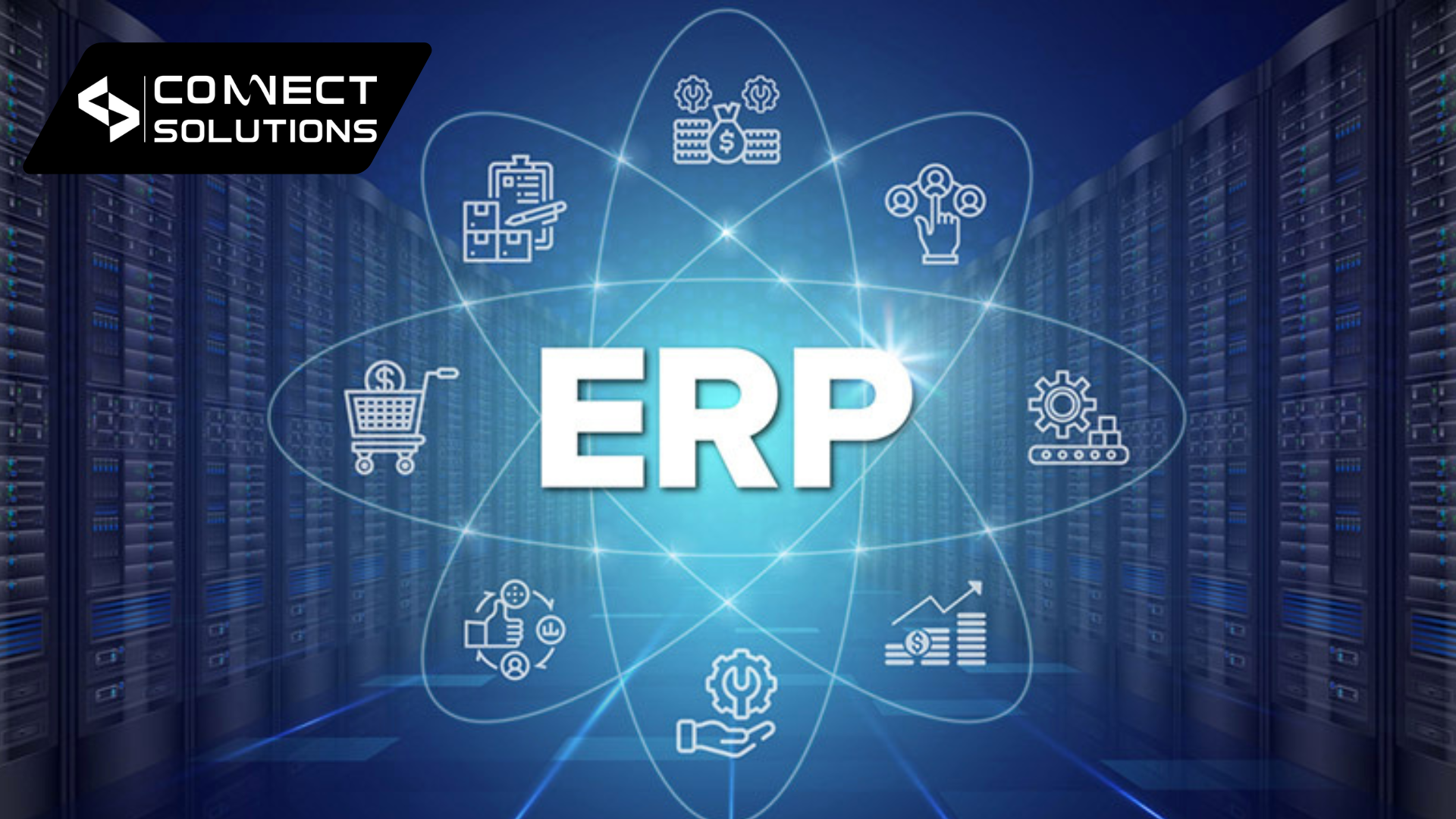

Using ERP systems effectively is a vital strategy for businesses aiming to streamline operations, enhance productivity, and make informed decisions. Modern companies increasingly rely on ERP (Enterprise Resource Planning) platforms to manage finance, HR, sales, and operations from a single integrated solution. Platforms like Indraaj provide a comprehensive system that simplifies financial management, workflow automation, and reporting, making ERP adoption smooth and efficient.
Why Using ERP Systems Effectively Matters?
ERP systems are more than just software; they act as the backbone of centralized business processes. Implementing enterprise resource planning best practices allows companies to reduce errors, eliminate duplication, and automate repetitive tasks.
Using ERP solutions effectively also delivers real-time business insights, helping leadership make data-driven decisions that improve efficiency and support growth. By optimizing ERP usage, businesses can also achieve better workflow automation across departments.
Steps to Use ERP Systems Effectively
Define Your ERP Goals
Before implementing an ERP system, it is important to define clear objectives for your organization. Businesses should focus on ERP system optimization, aiming to automate financial reporting, streamline HR processes, and enhance sales and inventory management.
Setting goals also ensures that ERP adoption strategies are aligned with departmental needs, which increases overall efficiency and makes using ERP systems effectively a reality for your company.
Choose the Right Modules
Selecting the right modules is crucial to avoid unnecessary complexity. ERP solutions like Indraaj offer a wide range of modules, including financial management systems, human resource management, point of sale, and visitor management systems.
Choosing only the modules that match your business requirements ensures smoother integration and higher business management software efficiency, enabling teams to focus on processes that truly impact productivity.
Train Your Employees
A successful ERP system depends on how well employees adopt it. Providing ERP training for employees through workshops, hands-on guides, and online resources ensures everyone can navigate the platform efficiently.
When staff understand how to use ERP for day-to-day operations, including ERP workflow management and data management, adoption improves, resistance decreases, and the system delivers maximum value.
Maintain Accurate and Centralized Data
ERP platforms work best with clean, well-organized data. Companies should enforce ERP data management protocols, regularly updating records for customers, vendors, and inventory.
Centralizing information ensures all departments have access to the same integrated business systems, which reduces errors, improves reporting, and makes business process automation more effective. Accurate data is the foundation of real-time business insights.
Customize Workflows Wisely
ERP systems like Indraaj allow companies to tailor workflows, but it is important not to overcomplicate them. Workflows should include automated alerts, personalized dashboards, and approval processes aligned with operational needs.
Customizing ERP to support company software solutions ensures that the platform helps rather than hinders productivity, allowing your team to focus on strategic goals while optimizing company processes.
Monitor Performance with KPIs
Tracking performance is essential to using ERP systems effectively. Companies can measure metrics like order processing time, inventory turnover, and employee efficiency to evaluate success.
Monitoring these indicators ensures ERP system optimization and supports business management software efficiency. Regular review of KPIs (key performance indicators) helps identify bottlenecks and refine processes for improved productivity.
Encourage Collaboration Across Departments
ERP systems are most powerful when departments share data and coordinate tasks. Promoting collaboration across finance, HR, and operations ensures teams benefit from integrated business systems and workflow automation tools.
Open access to centralized information enables informed decision-making, improves efficiency, and supports ERP adoption strategies throughout the organization.
Keep the ERP System Updated
Regular updates and system enhancements are critical for ERP effectiveness. Applying updates promptly and training staff on new features keeps the platform secure, functional, and aligned with evolving business needs.
Staying current ensures ERP software continues to provide real-time business insights and supports centralized business processes, allowing your company to remain competitive.
Focus on Continuous Improvement
Using an ERP system effectively is a continuous process. Companies should periodically review workflows, gather feedback, and refine processes to maximize benefits.
By focusing on continuous improvement, businesses can ensure their enterprise software remains efficient, supports business process automation, and continues to optimize operations across all departments.
How Indraaj ensures Effective use of ERP
Indraaj is a cloud-based ERP and accounting software designed for businesses seeking seamless operational management. It provides real-time access to financial and operational data, supports multi-language and multi-currency operations, and delivers advanced reporting and analytics.
By offering modules for HR, finance, retail, and visitor management, Indraaj helps companies implement ERP system optimization and enhance overall business management software efficiency, making it easier to use ERP systems effectively.
Take the first step toward streamlined operations. Speak with our ERP specialists to explore how Indraaj can help your business grow.
Conclusion
Using ERP systems effectively requires careful planning, employee training, accurate data management, and continuous optimization. Companies that follow these steps, especially with platforms like Indraaj, can streamline business operations, improve company productivity, and gain real-time business insights.
By leveraging integrated business systems and workflow automation tools, your business can operate efficiently, scale successfully, and remain competitive in today’s fast-paced market.
Frequently Asked Questions:
Can small businesses use ERP systems like Indraaj effectively?
Yes, Indraaj is scalable for companies of all sizes. Its modular approach allows businesses to start with key functionalities and gradually expand, supporting ERP adoption strategies across departments.
How long does ERP implementation take?
Depending on complexity and selected modules, full implementation can take 3–12 months. Proper ERP training for employees during this period ensures smooth adoption.
How can companies ensure high ERP adoption?
Providing comprehensive training, creating clear guides, and assigning departmental champions ensures teams effectively use workflow automation tools and centralized business processes.
What are the benefits of workflow automation tools in ERP?
Automation reduces manual tasks, improves accuracy, and enhances business management software efficiency, allowing companies to focus on strategic growth.
How can I use ERP systems effectively in my company?
Using ERP systems effectively requires proper ERP training for employees and accurate data management. Leveraging workflow automation tools ensures smoother operations.
What are the best practices for ERP system optimization?
Follow enterprise resource planning best practices by centralizing processes and maintaining clean data. This improves business management software efficiency.
How can ERP adoption strategies improve company productivity?
Effective ERP adoption strategies ensure employees use the system correctly. Combined with integrated business systems, this streamlines operations and boosts productivity.