
In today’s fast-paced business environment, organizations face numerous challenges in managing multiple processes simultaneously. From finance and HR to sales, inventory, and customer management, handling these processes manually or through disconnected systems can lead to inefficiencies, errors, and missed opportunities.
Enterprise Resource Planning (ERP) systems have emerged as powerful tools that integrate these functions into a single platform, helping businesses streamline operations, gain insights, and drive growth. However, while ERP systems offer numerous advantages, they also present certain challenges that companies must consider before adoption. In this blog, we will explore the top advantages and disadvantages of ERP systems.
What is an ERP System?
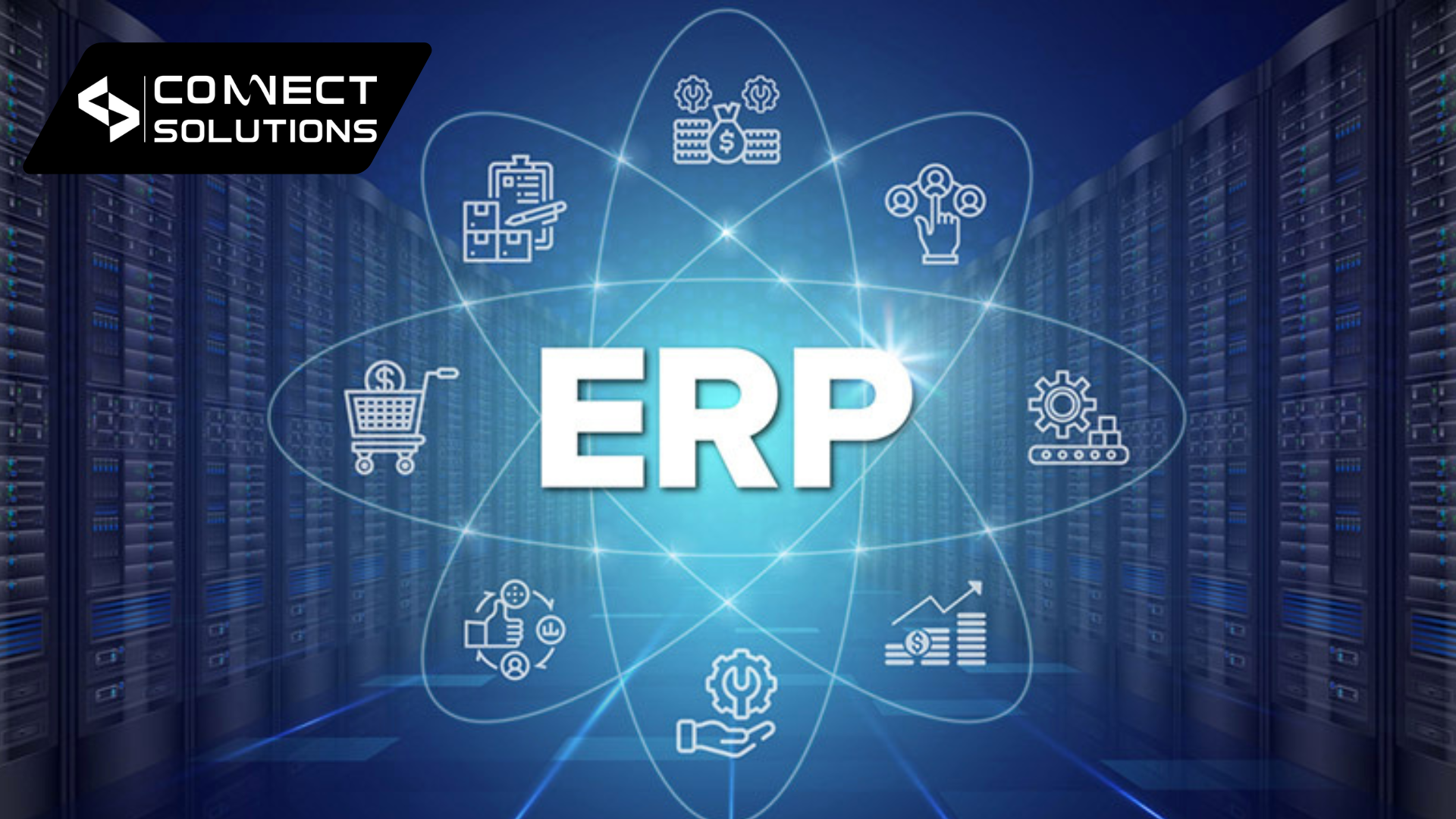
Enterprise Resource Planning (ERP) systems are integrated software platforms designed to centralize business processes, reduce manual work, and enhance overall operational efficiency. Modern ERP systems cover multiple business functions, including:
- Finance and Accounting: Streamline invoicing, payments, and reporting.
- Human Resources: Manage payroll, attendance, and employee data.
- Inventory Management: Track stock levels, automate reordering, and reduce waste.
- Sales and CRM: Monitor leads, track customer interactions, and improve engagement.
ERP solutions, like Indraaj, offer cloud-based access, multi-language support, multi-currency handling, and real-time analytics, making it easier for businesses to manage operations and make informed decisions without investing heavily in infrastructure.
Advantages of ERP Systems
Improved Operational Efficiency
ERP systems automate routine tasks, reduce errors, and free up staff for strategic initiatives. Centralizing processes allows employees to focus on higher-value activities rather than manual reconciliation.
Centralized Data and Real-Time Insights
Having all business data in one system eliminates duplication, ensures accuracy, and provides real-time insights. Businesses can track KPIs, monitor cash flow, and forecast demand effectively for better decision-making.
Enhanced Collaboration Across Teams
ERP systems break down departmental silos, enabling teams to work collaboratively. When finance, HR, sales, and operations share the same platform, communication becomes seamless, improving project coordination.
Compliance and Risk Management
Modern ERP systems help organizations comply with industry standards and regulatory requirements. Features like automated reporting, audit trails, and secure data storage minimize the risk of non-compliance.
Scalability for Business Growth
A well-designed ERP system grows with your business. Whether expanding to new locations, adding new product lines, or scaling operations, ERP systems provide flexibility to accommodate growth without frequent system changes.
Improved Customer Experience
Centralized data and integrated processes allow for better response times, accurate order tracking, and personalized service. Businesses can maintain up-to-date customer information, track preferences, and deliver a superior customer experience.
Connect solution stands out by offering Indraaj: a software with cloud-based access, real-time reporting, and integrated modules that address all these advantages. Its intuitive design ensures that businesses can adopt it quickly and utilize its full capabilities for improved operational performance.
Explore how Indraaj can enhance your business efficiency today by requesting a free demo or consultation by the team of Connect Solutions.
Disadvantages of ERP Systems
High Initial Costs
ERP implementation can require significant investment, particularly for small and medium-sized businesses. Costs may include software licenses, hardware, customization, and employee training.
Implementation Complexity
ERP systems can be complex to set up and require careful planning and configuration. Without proper management, deployment can disrupt operations and slow down daily workflows.
Resistance to Change
Employees may resist new systems, especially if they are accustomed to legacy processes. Proper onboarding, training, and change management strategies are essential for successful adoption.
Maintenance and Continuous Updates
ERP systems require ongoing updates and maintenance. Traditional systems may need IT teams to manage infrastructure and troubleshoot issues, which can add to operational costs.
Risk of Overdependence
Overreliance on an ERP system without understanding the underlying business processes can be risky. Downtime or technical issues may affect business continuity, emphasizing the need for reliable support and contingency plans.
Indraaj addresses these challenges by providing continuous support, cloud-based maintenance, and a user-friendly interface. Businesses benefit from quick implementation, minimal disruption, and scalable solutions that ensure long-term operational efficiency.
Start optimizing your business operations with the Connect solution’s software today. Contact our team for a free consultation and discover the difference an advanced ERP system can make.
What Makes ERP Systems Stand Out?
ERP systems that truly stand out share key characteristics:
- User-Friendly Interface: Easy-to-use dashboards and intuitive workflows.
- Integration Capabilities: Seamless connection with other business tools and modules.
- Real-Time Analytics: Instant access to insights for faster decision-making.
- Scalability: Ability to grow with the business without additional system changes.
- Reliable Support: Continuous technical assistance and system updates.
Indraaj ERP software embodies all these traits, combining advanced functionality with ease of use, ensuring businesses can maximize efficiency without typical ERP adoption challenges.
Transform your business with Indraaj ERP software today. Call us at +92 300 1110365 or email info@connect-sol.com to request a free consultation and demo.
Conclusion
ERP systems are invaluable for businesses aiming to streamline operations, improve decision-making, and drive growth. While implementation requires careful planning and resources, the benefits of efficiency, collaboration, and scalability far outweigh the challenges.
Indraaj ERP software offers a comprehensive, cloud-based solution with real-time reporting, multi-language and multi-currency support, and integrated modules for HR, finance, POS, and property management. Businesses adopting Indraaj achieve operational excellence, ensure compliance, and position themselves for sustainable growth.
Frequently Asked Questions:
What is the main benefit of ERP systems?
ERP systems centralize business processes, automate tasks, and provide real-time insights, improving overall efficiency.
Can ERP systems be customized for small businesses?
Yes, ERP systems like Indraaj offer scalable and customizable modules suitable for businesses of all sizes.
How long does ERP implementation take?
Traditional ERP can take 6–12 months, while cloud-based solutions like Indraaj can be implemented in 1–3 months.
Are there cloud-based ERP options?
Yes, Indraaj is a cloud-based ERP accessible from anywhere, offering real-time updates and easy management.
What is the ROI of ERP software?
ERP software reduces errors, saves time, improves efficiency, and provides actionable insights, delivering long-term ROI.
Which industries can benefit from ERP systems?
ERP systems are versatile and can benefit retail, banking, telecom, public sector, and many other industries by streamlining processes and improving data management.