
Running a construction company in Pakistan is a challenging endeavor. Projects are spread across cities. Costs change fast. Labor issues come up daily. Material rates go up and down. Additionally, clients expect timely delivery and clear reports.
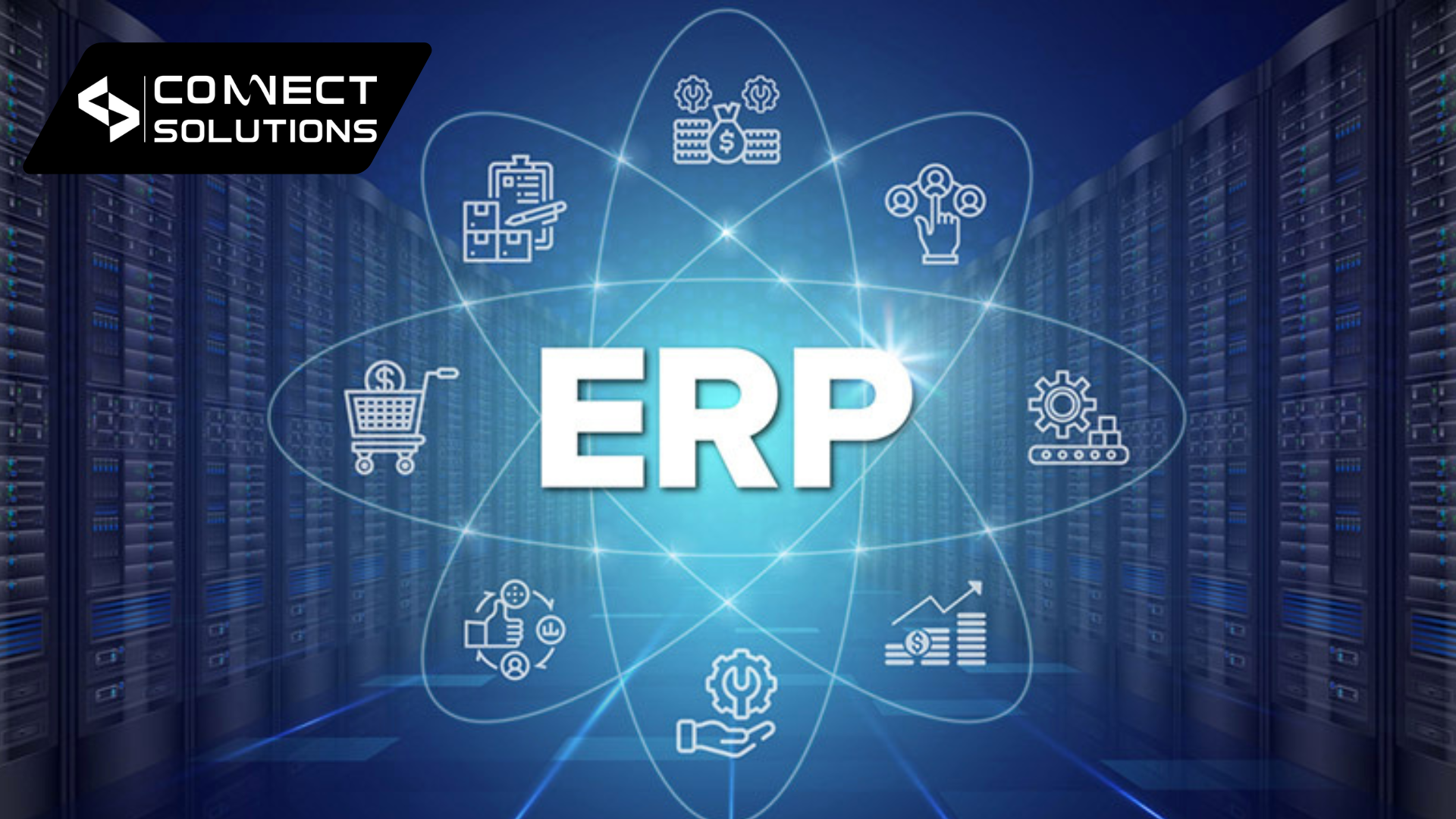
More construction companies now use ERP systems to manage their work. ERP means Enterprise Resource Planning. It is the best software that helps a company manage all its main activities in one place.
In this article, we will talk about ERP modules that are useful for a construction company. We will keep things simple and practical, just like a real blog written for everyday readers.
What is an ERP module
ERP systems are made up of modules. Each module handles a specific type of work. All modules are linked, so information moves easily between them.
For example, when material is purchased, the purchase module updates inventory and finance at the same time. This helps save time and avoid errors.
Construction companies often need many modules because their projects involve more activities
Why construction companies need ERP
Construction work involves many moving parts. If there is no system in place problems can quickly arise.
Common problems include
• Cost overruns
• Delayed projects
• Poor record keeping
• Miscommunication between the site and the office
• Difficulty tracking labor and material
An ERP system helps control these issues by keeping all information in one system.
Core ERP modules for construction companies
Below are the most important ERP modules for a construction company. Not every company needs all of them, but most big and small firms use many of these.
Project management module
These are the parts of construction ERP.
It helps manage projects from start to finish.
Key functions include
• Project planning and scheduling
• Task assignment
• Milestone tracking
• Progress monitoring
• Site wise project data
With this module, managers can see which projects are on track and which one is delayed. It also helps compare planned work with actual work.
For Pakistani construction firms working on multiple sites, this module is very helpful.
Finance and accounting module
Money control is critical in construction.
This module handles all financial activities.
It covers
• General ledger
• Accounts payable
• Accounts receivable
• Cash flow management
• Tax handling
• Budget control
Construction companies often face cash flow issues. This module helps track incoming and outgoing payments clearly.
It also helps with local tax requirements and audit preparation.
Procurement and purchase module
Construction work relies on having materials delivered on time.
This module manages the full purchase process.
Main features include
• Purchase requests
• Vendor selection
• Purchase orders
• Rate comparison
• Delivery tracking
With this module, companies can avoid overbuying and reduce waste. It makes it easier to negotiate better supplier rates.
This is especially useful in Pakistan, where material prices change often this module helps keep costs under control.
Inventory and store management module
This module tracks material stored at warehouses and project sites.
It helps manage
• Cement, steel, sand, and other materials
• Tools and equipment
• Site wise stock levels
• Material issue and return
Without proper inventory tracking, material theft and misuse are common issues. This module reduces such risks.
It also ensures that sites do not run out of critical materials.
Human resource and payroll module
Construction companies employ more workers. Some are permanent, others are daily wage or contract staff.
This module manages
• Employee records
• Attendance
• Overtime
• Payroll
• Leave management
It also helps manage site wise labor costs. Managers can see how much labor cost is spent on each project.
This is very helpful when bidding for new projects.
Equipment and asset management module
Construction companies use heavy machinery and tools.
This module tracks
• Equipment usage
• Maintenance schedules
• Fuel consumption
• Breakdown history
• Asset depreciation
Equipment downtime causes project delays. With this module, companies can plan maintenance before problems happen.
It also helps decide when to repair or replace equipment.
Cost control and budgeting module
Cost control is a major challenge in construction.
This module helps manage
• Project budgets
• Cost estimates
• Actual cost tracking
• Variance analysis
Managers can quickly see if a project is going over budget. Early warnings help take corrective action.
This module works closely with finance, procurement, and HR modules.
Contract and subcontractor management module
Most construction companies work with subcontractors.
This module helps manage
• Contract details
• Payment terms
• Work progress
• Retention amounts
• Performance tracking
It ensures that subcontractors are paid correctly and on time. It also helps avoid disputes.
Clear contract data is very important in Pakistan, where legal problems can delay projects.
Document management module
Construction projects generate more documents.
This module stores
• Drawings
• BOQs
• Contracts
• Approvals
• Site reports
All documents are stored digitally and linked to projects. This reduces paperwork and saves time.
It also helps teams access the latest version of drawings and documents.
Reporting and analytics module
This module helps management make better decisions.
It provides
• Project reports
• Cost reports
• Profit analysis
• Site performance dashboards
Instead of guessing, managers can rely on real data.
For company owners and directors, this module gives a clear picture of business health.
Benefits of using ERP in construction
Using ERP brings many benefits.
Some key advantages are
• Better project control
• Reduced delays
• Improved cost visibility
• Less manual work
• Better coordination between the office and the site
ERP does not replace people. It helps people work better.
Things to consider before choosing ERP
Before buying an ERP system, construction companies should think about
• Company size
• Number of projects
• Budget
• Local support availability
• Customization needs
It is also important to train staff properly. Without training, even the ERP system will fail.
FAQs
What are the main modules of ERP?
The main ERP modules include finance, procurement, risk management, supply chain management, human resources, manufacturing CRM, and analytics.
Is Tally good for a construction company?
Yes. Tally supports progress based billing, payment tracking, recurring invoices, and budget control, which suits construction projects.
What is an ERP system in construction?
A construction ERP helps manage projects, materials, costs, staff, and compliance while supporting risk tracking and control.
How do you choose the right ERP modules?
Identify business needs, set a budget, compare systems, choose suitable software, review implementation, and plan for future growth.
What are the 4 modules of SAP?
The four main SAP modules are CO (Controlling), MM (Material Management), SD (Sales and Distribution), and HCM (Human Capital Management).
What are the 5 main components of ERP?
The five main components are finance, human resources, supply chain, CRM, and inventory management.
What is an ERP system?
ERP stands for Enterprise Resource Planning. It is software that manages daily business activities in one system.
How long does ERP implementation take?
Small companies may take a few weeks. Large construction firms may take several months.
What is the easiest ERP to use?
Katana is considered one of the easiest ERPs to use and has strong customer support.
What are the 5 elements of a standard ERP?
Finance and accounting, human resources, supply chain management, CRM, inventory control, and manufacturing.

